
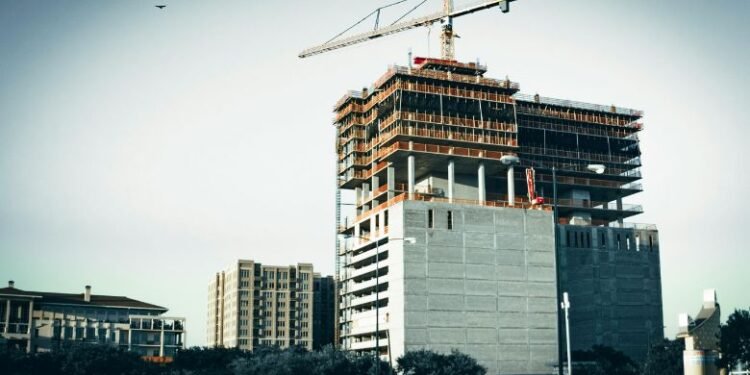
Texas Built Construction lawsuit guide: learn homeowner rights, construction defects, claims, and legal options for Texans today.
Buying or constructing a new house is among the most exciting events in a person’s life. For a lot of Texans, the dream is to have backyard barbeques and host family during the holidays and enjoy great memories in their new ‘home’, but the joy of homeownership may rapidly give way to a lot of frustration and a lot of financial stress when problems arise during the construction of the home. These problems could include unfinished work from poor workmanship,, leaking roofs and cracked foundations.
The frustrations that have arisen from this change in anticipated circumstances, has resulted in the increase in searches online for “Texas Built Construction lawsuit”, because people are looking for possible legal remedies for poor quality work or workmanship.
A man I had a chance to speak to not too long ago experienced the same phenomenon up in North Texas. After living in his new home for about six months, he noticed hairline fractures developing all around the walls of his home.
At first he would not have paid any attention to them, because the builder assured him that it was normal for new houses to settle under principles commonly addressed in Civil Law. However, the cracks were not the only problems with his home; one year later, he found that he was having trouble closing the doors, there were multiple places in the house where the floors were not level, and he had leaking windows that were even worse after the last bad weather. What started as small nuisances became time-consuming and costly to resolve.
Regrettably, this experience has become the typical construction home experience.
Here we will summarize what Texans need to know about the Texas Built Construction Lawsuits. We will review the various claims that have been filed, the construction laws in the state of Texas, the rights of homeowners, the potential for compensation, and what steps a homeowner should take if there are construction defects.
What Is the Texas Built Construction Lawsuit?
The texas built construction lawsuit generally refers to legal disputes involving residential or commercial construction projects in Texas. These lawsuits often involve allegations such as:
- Defective workmanship
- Breach of contract
- Construction delays
- Water intrusion and mold damage
- Structural or foundation issues
- Code violations
- Misrepresentation by contractors or builders
Homeowners frequently bring legal action when they find that the job done does not adhere to their contract requirements or meet acceptable building standards.
In some instances, the discrepancies evident immediately, while in other instances, problems arise long after the job is completed.
And honestly, that’s part of what makes construction disputes so stressful. A home is usually the largest investment a family makes. When defects appear, people aren’t just dealing with inconvenience — they’re dealing with safety concerns, financial uncertainty, and emotional exhaustion.
Why Construction Lawsuits Are Increasing in Texas
Population and housing growth in Texas over the past 10 years is staggering. In Dallas, Houston, Austin, and San Antonio, new subdivisions are being built at an alarming rate.
The increased number of housing opportunities has led to increased demand for builders, contractors, and subcontractors to complete projects sooner. Unfortunately, when speed is the priority, the quality of workmanship may be compromised.
The rise in texas built construction lawsuit searches reflects broader concerns about:
- Poor construction quality
- Delayed projects
- Inexperienced subcontractors
- Rising repair costs
- Contractor accountability
- Homeowner protections
Many homeowners simply want answers.
They want to know:
- “Is this normal?”
- “Can I sue my builder?”
- “Will insurance cover the damage?”
- “How much time do I have to file a claim?”
Those are fair questions, and Texas law does provide some important protections.
Common Reasons Homeowners File Construction Lawsuits
Construction projects involve contracts, engineering, inspections, permits, materials, and multiple crews working together. Even one mistake can create expensive consequences.
Some of the most common issues connected to a texas built construction lawsuit include:
Defective Workmanship
This is one of the leading causes of construction litigation.
Examples include:
- Improper roofing installation
- Poor framing work
- Faulty plumbing systems
- Uneven flooring
- Low-quality materials
- Incomplete finishing work
Think of it like assembling a car incorrectly. Even one poorly installed component can create larger problems later.
Foundation Problems
Foundation issues are especially common in Texas because of expansive clay soil and shifting weather conditions.
Signs of foundation damage may include:
- Cracks in walls or ceilings
- Doors sticking
- Sloping floors
- Window alignment issues
- Exterior brick cracks
I once visited a friend’s home outside Houston where you could literally roll a marble from one side of the living room to the other. It sounds funny until you realize repairs can cost tens of thousands of dollars.
Water Damage and Mold
One of the most common problems associated with construction lawsuits in Texas is water intrusion.
Water intrusion occurs when water enters your building through a leak or poorly functioning drainage system. This can lead to mold growth, weakened structure, damage to interior walls, health concerns, and flooring damage.
Another serious problem associated with water damage is that it often remains hidden behind the walls for a long time.
Construction delays can also cause financial devastation for homeowners.
Types of construction delays include:
- Material shortages
- Permit problems
- Labor problems
- Contractor scheduling conflicts
- Not meeting deadlines
For homeowners who are temporarily renting while waiting for their new home to be completed, these delays can lead to expensive costs.
Most construction projects are governed by written agreements that specify the timeline, costs, materials and responsibilities as well as warranties for each party.
If the contractor does not meet the terms of the contract, the homeowner may file a claim for breach of contract.
Examples of breach of contract include:
- Unfinished work
- Unauthorized changes
- Not using the materials specified in the contract
- Poor workmanship
- Payment issues
Understanding the Texas Residential Construction Liability Act (RCLA)
The Texas Residential Construction Liability Act, commonly called RCLA, defines specific procedures that homeowners must complete in order to file a variety of construction defect lawsuits. It is among the most comprehensive statutes that address lawsuits associated with residential construction in Texas. Homeowners are typically required to take the following actions under the RCLA:
1. Send a written notice regarding the defects.
2. Provide access to the contractor for inspection of the site; and,
3. Provide an opportunity for the builder to repair the defects.
These steps are designed to encourage the effective resolution/repair of the dispute before initiating formal court actions against each other. All too often, homeowners become frustrated because they want to immediately file suit against the builder. However, failing to follow these steps can create additional challenges for the homeowner in court.
How Long Do Homeowners Have to File a Lawsuit?
Timing matters in construction litigation.
In Texas:
- The statute of limitations for many construction claims is generally four years
- The statute of repose may limit structural defect claims to ten years after substantial completion
That sounds technical, but here’s the simple version:
You cannot wait forever to take action.
The longer defects go undocumented, the harder it may become to prove responsibility.
That’s why homeowners should preserve:
- Photos
- Inspection reports
- Contracts
- Emails and text messages
- Repair invoices
- Warranty documents
Good documentation can become critical evidence later.
The Role of Expert Witnesses in Construction Cases
Construction lawsuits often become highly technical.
Courts and insurance companies usually rely on experts such as:
Requirements:
- Structural Engineer
- Roof Consultant
- Architect
- Building Inspector
- Cost Estimator
Other Related Areas of Specialty
- What caused the defect
- Whether the workmanship upheld acceptable standards
- How much it would cost to fix the defect
- Whether or not the environment contributed to the damage
- Repair Costs
- Property Damage
- Temporary Accommodation
- Decreased Value of Property
- Mold Removal Costs
- Lawyer’s Fees in Certain Cases
Without expert analysis, many cases become difficult to prove.
Can Homeowners Receive Compensation?
Possibly, yes.
Depending on the facts of the case, compensation in a texas built construction lawsuit may include:
- Repair costs
- Property damage expenses
- Temporary housing costs
- Diminished property value
- Mold remediation expenses
- Attorney fees in some situations
However, every case is different.
Some disputes settle quickly through negotiation. Others can take years.
Insurance Complications in Construction Lawsuits
Insurance often adds another layer of complexity.
Builders and contractors may carry:
- General liability insurance
- Builder’s risk policies
- Commercial property insurance
But insurance companies sometimes deny claims by arguing:
- The issue resulted from poor workmanship
- Damage falls under policy exclusions
- Defects developed gradually over time
This can create separate disputes between insurers, contractors, and homeowners.
Honestly, this is where many people start feeling overwhelmed. Construction litigation is rarely simple.
Mediation and Settlement Options
Not every dispute ends up in court.
In fact, many texas built construction lawsuit cases are resolved through:
- Mediation
- Arbitration
- Settlement negotiations
These methods can:
- Reduce legal costs
- Speed up resolutions
- Avoid lengthy courtroom battles
Some construction contracts even require arbitration before lawsuits can proceed.
While settlements may not feel emotionally satisfying, they often help homeowners move forward faster.
Timeline of a Typical Construction Lawsuit
Construction litigation can take years.
Here’s a simplified example timeline:
| Year | Key Development |
| 2022 | Initial homeowner complaints filed |
| 2023 | Lawsuit formally initiated |
| 2024 | Discovery phase and expert inspections |
| 2025 | Settlement negotiations begin |
| 2026 | Ongoing legal proceedings or resolution |
This extended process is one reason many homeowners prefer mediation when possible.
What Homeowners Should Do Immediately
If you suspect construction defects, acting quickly matters.
Step 1: Document Everything
Take:
- Photos
- Videos
- Written notes
Track when problems first appeared.
Step 2: Review Your Contract
Pay close attention to:
- Warranty terms
- Repair obligations
- Arbitration clauses
- Completion deadlines
Step 3: Ask for an Inspection from an Independent Inspector
An unbiased inspector or engineer can provide useful evidence.
Step 4: Send Written Notice to the Builder
A consultation with a construction attorney will clarify:
In Texas, written notice is sometimes required by law prior to resolving a dispute through a lawsuit.
Step 5: Consult with a Construction Attorney
- Your legal rights
- Potential compensation
- Deadlines
- Next steps
Consumer Protection and Contractor Accountability
Some homeowners may also pursue claims involving deceptive practices.
Potential allegations include:
- Misleading advertising
- False promises about workmanship
- Hidden costs
- Fraudulent representations
Texas consumer protection laws may apply if contractors intentionally misrepresented services or project quality.
As housing development expands across Texas, homeowner concerns about accountability continue growing.
Future Trends in Texas Construction Litigation
Experts expect Texas construction litigation to continue increasing due to:
- Growing demand for housing construction
- Increased number of contractors available
- Increases in repair and rebuilding costs
- Greater awareness of consumer issues
- Increase in construction-related disputes with insurance companies
Future legal trends are likely to include:
- More accurate disclosure of all relevant information to potential buyers
- More contractor controls
- Increased number of lawsuits regarding construction defects
- Greater protections and rights for homeowners
Technology may also change the industry, especially as modern building materials and smart-home systems create new liability questions.
Final Thoughts
Many Texas construction lawsuits stem from a simple fact: when construction projects don’t go as planned, homeowners want to protect themselves.
To be clear, I think that this need is also an emotional one. So much emotion, money and trust goes into making a home — and to have defects, delays or poor workmanship, it is like being attacked personally.
Whatever your needs, knowing the law in Texas is the first step to protecting your investment when you find yourself confronted with a construction-related problem. Under Texas law, you can remedy foundation issues, intrusion issues, breaches of contract, and defective construction.
One of the things many homeowners learn the hard way is:
Document problems early.
Keep every communication.
And never assume small defects will simply disappear on their own.
Sometimes those tiny cracks become much bigger stories.
Key Takings
- Construction defect, delays, and contract issue related disputes are frequently at the heart of a Texas built construction lawsuit.
- Homeowner complaints about construction defects may include the following: foundation defects; roof leaks; mould; and workmanship issues.
- Texas homeowners have legal protections against construction defects under the Residential Construction Liability Act (RCLA) and similar statutes.
- Prior to bringing a lawsuit for defects, homeowners must provide written notice and the appropriate amount of time to repair and correct any defect(s).
- While construction litigation may involve expert witnesses and/or the filing of insurance claims, mediation and settlement can often be faster than court trials.
- In order for developers and contractors to protect their rights and basis for legal claims, it is crucial to maintain proper records and documentation.
Additional Resource:
- Legal Clarity – Texas Residential Warranty Law Guide: Helpful explanation of implied warranties and legal protections for Texas homeowners facing defective construction issues.
- Wall Street Journal – Home Builders Facing Rising Construction Defect Claims: High-authority reporting on the growing number of homeowner lawsuits involving poor construction quality and defective homes.