
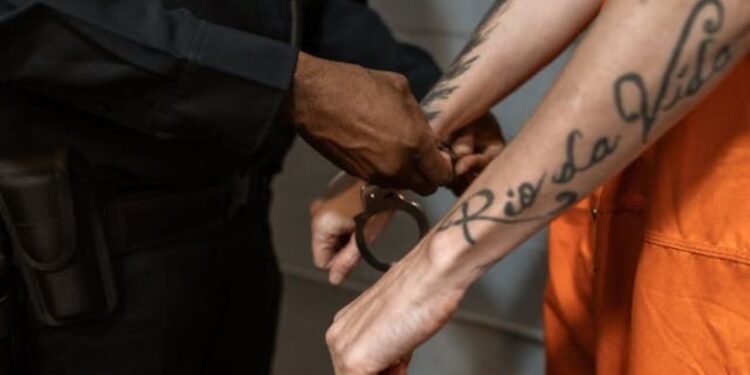
Difference Between Parole and Probation: A Complete Guide explaining how each works, their rules, and key legal distinctions.
If you’ve ever seen a crime documentary, followed a court case I the news, Or heard someone say? “ they’ re on trial” or “ they Went out parole,“ What would you have thought? those terms really mean. But first glance, They acoustics almost identical. Both are included. Someone living outside prison While still under legal supervision. But the truth is, they are quite different.
To understand the difference between parole and probation, it is important because these two legal concepts play a major role in Criminal Law and how the criminal justice system handles punishment and rehabilitation. They may seem similar, but they apply at fully different stages of a criminal sentence. The distinction between probation and parole helps explain how courts balance accountability with the opportunity for rehabilitation.
I remember the first time I heard these terms during a true crime documentary. In case given to a person. Probation While the other was released. Parole. But that moment I realized that I did not fully understand the difference between parole and probation, I heard though the terms many times First If you ever felt the same confusion, You are definitely not alone.
The Simple Difference Between Parole and Probation
The easiest way To understand the difference between parole and probation When everyone is watching one I happen the legal process.
- Probation Usually given in location of gel or gel.
- Parole It happens after someone has already served.
Time in prison And will be released soon. Evaluate favor this a teacher handling A student who broke the rules. Probation is esteem the teacher saying,“ You don’t need to be detained, but I’ ll watching your behavior closely.” Parole Like more the teacher saying,“ You have already earned. Part of Your detention, but you can withdraw early if you monitor through. Strict rules.” Both situations Including supervision, But they Occurs completely different points I the disciplinary process.
Quick Comparison: Parole vs Probation
Here is a simple comparison to produce the difference between parole and probation easier To understand
| Feature | Probation | Parole |
| When this happens | Instead of prison | After serving part of a prison sentence |
| Who gives | A judge | A parole board |
| Purpose | Alternative punishment | Early release From prison |
| Supervision | Probation officer | Parole officer |
| Violation result | Possible jail sentence | Return to the prison |
This quick comparison Answer the question to many readers Immediately, however, to fully understand the difference between parole and probation, It helps to see everyone. One I work real life.
What Is Probation?
Probation A judicial sentence is a sentence that allows someone to stay inside. The community Instead of going to jail or prison.
Often used by judges. Probation to:
- First- time offenders
- Non- violent crimes
- Situations where rehabilitation outside prison It is possible
When receiving probation, they are basically a given. A chance to prove they can adhere along the law While living in society
When I first How did you acquire? probation works, He reminded me a strict second chance. The court essentially says,“ We’ re gives you the opportunity To be free, but you must monitor. The rules.” And those rules can be very serious.
Common Conditions of Probation
A person But probation In general, conditions should be followed such as:
- Had regular meetings with a probation officer
- Pass a drug or alcohol test
- Keep employment or school attendance
- To follow travel restrictions
- To avoid certain people or places
Courts Sometimes it is also necessary to:
- Community service
- Counseling program
- Paying restitution To the victims
These conditions are designed to ensure accountability while helping. The person Reconstruction their life.
What Is Parole?
Parole works differently. Parole happens after someone Already imprisoned and served. Part of their prison terms.
If the authorities believe. The individual is ready to safely re- enter society, they can deliver parole.
However parole is not automatic. This usually includes a review process Organized by a parole board which evaluates factors such as:
- Behavior During the imprisonment
- Participation in rehabilitation programs
- Risk To offend again
- Nature of the crime
To understand this process It is critical to fully understand the difference between parole and probation, Because parole Always comes after imprisonment.
Conditions of Parole
People Released on parole Must adhere strict supervision rules.
Common parole conditions Includes:
- Regular meetings with a parole officer
- To maintain stable employment
- To avoid criminal activity
- Stay inside certain geographic areas
I some cases, Additional requirements may include:
- Curfews
- Electronic monitoring
- Mandatory counseling programs
The goal Must help former prisoners Transition back into society while still maintaining public safety.
What if Someone switch Probation?
Probation violations can coordinate serious consequences.
Common violations Includes:
- Missing meetings with a probation officer
- Failed a drug test
- The mortgagor another crime
- Ignores court- ordered programs
If a violation It happens the court may hold a hearing to decide. The consequences.
Possible outcomes Includes:
- A warning
- Additional probation requirements
- Revocation of probation and jail time
The judge is the final authority I these cases.
What if Someone switch Parole?
Parole violations handled differently due to the individual Already served time in prison.
If someone breaks down the conditions of parole, The authorities can respond with:
- Increased supervision
- Temporary detention
- Revocation of parole
If parole is cancelled, the individual Can be sent back to prison to complete. The remainder of their punishment.
Why the Justice System Uses Probation and Parole
Probation and parole There are important tools inside. The criminal justice system.
They serve several purposes, including:
- To reduce overcrowded prisons
- Encouraging rehabilitation
- Helps offenders reintegrate into society
- Maintain monitoring for public safety
To understand the difference between parole and probation It also helps to explain how the justice system tries Balancing punishment with opportunities for reform.
Not every crime is necessary long- term incarceration. I some cases, The freedom of supervision is another effective path towards recovery.
Why These Terms Often confused
Despite their differences, Many people mix these terms.
Is several reasons Why this happens:
- Both are included. Supervision outside prison
- Both are included. Strict conditions and monitoring
- Both are often mentioned. Legal discussions and media Reports
Because of these similarities, go difference between parole and probation Not always obvious unless someone takes the time How to detect each one actually works.
When you remember it one simple rule, It will be very easy to understand.
- Probation instead of prison.
- Parole happens after prison.
That single distinction Cleans most things. The confusion.
Key Takings
- The criminal justice system is complicated and the legal terms can sometimes feel confusing.
- But learning the difference between parole and probation helps Understand how courts handle sentencing, rehabilitation and more. Public safety.
- Probation allows an offender To avoid jail time while on probation the community.
- Parole allows a prisoner to leave prison early under strict supervision.
- Both systems The purpose of giving to individuals the chance To rebuild their lives While you provide for they Be responsible for their actions.
- And me many cases, A balance between responsibility and opportunity can produce a meaningful difference in someone’ s future.
Additional Resources
- Probation vs. Parole: What’s the Difference: A detailed government-oriented guide covering timing, purpose, and supervision of probation and parole.
- Are the Differences Between Parole and Probation Significant: Trusted legal resource breaking down parole and probation in plain language with practical examples.