
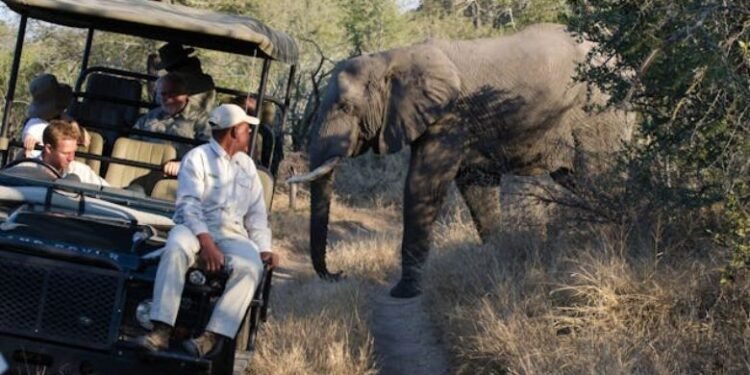
Tourists Killed In African Safaris: Truth Behind Headlines, real risks, safety facts, and what travelers truly need to know.
I still remember. The first time I seriously considered leaving. An African safari.
It wasn’t. A glossy travel ad or a nature documentary which was taken my attention, That was it a Legal News headline.
It said something like this: tourists killed in African safaris.
And so the excitement turned to reluctance.
If you have applied. “ tourists I was killed African safaris,” The possibilities are yours a similar reaction. Curiosity, concern, and maybe even a mix a little fear. It is completely natural. After all, when you imagine being around wild animals, lion, elephants, hippos, it’ s Difficult not to wonder: Is it really safe?
Let’s unpack. The truth together. Not only the headlines, But the full picture.
The Incidents That shape Our Perception
Stories approx tourists killed in African safaris It tends to spread quickly and widely.
A tourist Attacked by an elephant.
A safari guide Fatally injured while hiking.
A hippo Charging unexpectedly near water.
These stories Stay with us because they’re intense, emotional and, frankly, scary.
But here’ s Most of it people Not feeling: These incidents are extremely rare.
And yet they dominate search results, Conversation etc our imagination.
Quick Answer: How common are they? Safari Deaths?
Let’s address. The core question direct:
Millions Of people approach again African safaris Every duration
Fatal incidents involving tourists are very rare
The chances of being between tourists killed in African safaris are incredibly few
Simply position: You’ re Statistically more likely to appearance risk. Everyday situations, Like driving a transport, instead a safari.
This may acoustics surprising. It happened to me too.
The Reality Check: Risk vs Perception
Here’ s Where things get interesting.
The phrase “ Tourists were killed. African safaris” creates a strong mental image. It feels conventional. Repeatedly. Almost expected.
But the truth is telling. A different story.
Safaris host millions of annual visitors
Fatal incidents Often in numbers the single digits per year
This is an incredible amount small percentage.
So why does it undergo so different?
Because our brains is wired to remember. Dramatic events. Pretty much the same story tourists killed in African safaris Could be more than thousands sure, uneventful trips I our minds.
It’ s Not just about the facts, it’ s approx perception.
The Real Causes: Not what you analyze
If you imagine the danger. A safari, You’re probably picturing lions.
I did that too.
But surprisingly, lions are rarely involved in incidents there tourists killed in African safaris becomes a headline.
Instead, most of all common animals Involved are:
Elephants Very intelligent and protective Especially dangerous when they encounter threatened.
Most incidents Including close encounters Or go safaris
Hippos Often underestimated.
Very territorial Is responsible for many fatal encounters I Africa overall
Others ( rare cases )
Buffalo
Crocodiles
Very few lions
That was it a big mindset shift For me
The animals We are afraid most aren’ t always the ones We should worry.
The Hidden Fact: It’ s Usually not random
One Of the biggest misconceptions approx tourists killed in African safaris This is these events are random.
Such as: “ Wrong place, Wrong time.”
But in reality, many incidents is clear contributing factors.
Human Error
This is the biggest one. One.
To depart the vehicle Without permission
Getting too close for pictures
To ignore the guide’ s instructions
It’ s Anywhere else is like ignoring safety rules. The environment Only wild things happen.
Risky Behavior to Social Media
Let’s be honest, it is. A modern problem.
People wish to:
At close range wildlife shots
Viral videos
“ Once- in- a- lifetime” content
But to push the boundaries a photo Can quickly emerge unsafe.
And yes, some cases of tourists I was killed African safaris is included this exact behavior.
Disorganized or Budget Safaris
No all safaris are equal
Lower- cost Or poorly managed tours can be:
Skip safety protocols
Hire less experienced guides
Remove it unnecessary risks
This increases the risk significantly.
When Safaris Be dangerous
No all safari experiences take away the same level of risk.
The contest Drives ( Safest )
Inside a vehicle
Guidance from professionals
Animals Dependent on cars
This is the standard safari experience, And very safe.
To go Safaris ( Higher Risk )
Go inside wildlife areas
Strict discipline and guidance is required
Many incidents involving tourists I was killed African safaris Occurs while walking safaris.
That doesn’t mean they are unsafe, but they are demanding. More caution.
The Unexpected Truth: Animals are not the biggest threat
Here’ s Something that really surprised me:
The biggest risk But safari There is no wildlife, it’ s Transportation
Long drives, Remote roads and varying conditions can produce travel between locations even more threatening. The safari itself.
So when we focus. Tourists killed in African safaris, the real risks Often located elsewhere.
Is Safari Deaths is growing
This is a question many people Solicit after seeing multiple headlines.
It can feel that approach. Incidents involving tourists I was killed African safaris becoming more common.
But the reality is more crucial.
Tourism Is Growing
More visitors = more total incidents ( Although the risk less per person )
Media Coverage is significant
News Spreading faster than ever
Wildlife Habitats is changing
Human expansion Can increase meetings
So yes, you can perceive about it. More incidents, But it is not necessary mean safaris becomes significantly more dangerous.
Why does it feel so hazardous?
Let’s talk about the psychology behind This
When you apply tourists killed in African safaris, You go in a space Shaped by:
Fear of the unknown
Dramatic storytelling
But rarely memorable events
Our brains Trend towards:
Overestimates rare dangers
Underestimate common risks
It’ s Hence the flight feels scarier But compared to driving a car it’ s statistically certain.
How to exist Safe But Safari
Now you might be thinking:
” Okay, I get it, it’ s Rarely, but what can I really do?”
Great question.
Here But elementary powerful safety principles:
Always pursue along. Your Guide They to understand animal behavior better from anyone.
Stay Inside the car Unless otherwise expressly stated.
Sustain a Safe Distance Animals It might noise calm, but they’ re still wild.
Avoid Risky Photography No images are valuable. Your safety.
Select Reputable Operators It does a huge difference.
These steps Dramatically less already small chance Of becoming part of stories approx tourists killed in African safaris.
My Personal Shift in Perspective
When I first Emerge over the phrase “ Tourists were killed. African safaris,” I hesitated.
He planted a crop of doubt.
But the more I learned the more My perspective changed.
I felt:
The risk Is real, but extremely rare
Most incidents can be prevented
Safaris They are carefully managed experiments
It’ s A bit appreciate hiking the mountains Or swimming the ocean. There is risk, but with awareness and respect, They are manageable.
And honestly? That realization made the idea of a safari Even more interesting.
Not because it’ s Dangerous, but because it’ s really
Key taking
- Yes, cases of tourists I was killed African safaris is present
- Yes, wild animals can be risky.
- But:
- These incidents are rare
- They’ re Often associated with specific risk factors
- Safaris Generally is safe and well- organized experiments
- The truth is, this keyword Not really about death.
- It’ s approx understanding risk.
- And take a analyze the full picture, Something interesting happens:
- Fear turns to respect.
- Uncertainty Becomes consciousness.
- And curiosity? That stays.
Additional Resources
- How Safe Are African Safaris? A Realistic Look at the Risks: A comprehensive, expert-backed guide explaining real safari risks, showing that incidents are rare and usually linked to human behavior rather than wildlife.
- How Safe Is an African Safari? Myths, Facts, and What Travelers Should Know: Breaks down common fears vs reality, emphasizing that trained guides and strict safety protocols make safaris far safer than most people assume.