
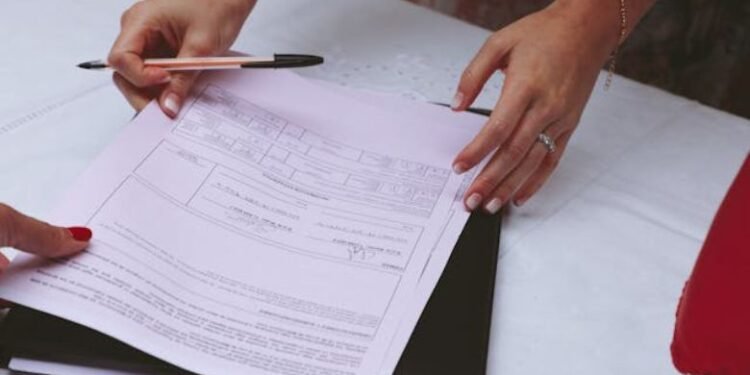
What is an Affidavit of Domicile? Complete Guide to 2026: Learn its purpose, importance, and how to handle it with ease.
Have you ever found yourself caring for a loved one? one’ s estate And thought,
” Wait, what is an affidavit of domicile, And why does it matter?”
Trust me… You’ re not alone.
I remember the first time I had to deal with this myself. My uncle had just passed away, and we were trying to reach out to his bank, accounting, and property. That’s when, through the lens of civil law, I came across this mysterious document called an affidavit of domicile.
It sounded complicated, maybe even scary, but once I dug deeper, it made sense. It’ s A simple but amazing one indeed important tool in estate planning.
If you are wondering. The same thing, This guide will take you through what is an affidavit of domicile, Why is it important, who? prepares This, what? information It includes, and even common mistakes to avoid.
Of the end, You will feel confident handling one If the need is born.
What is an Affidavit of Domicile?A Simple Definition
Let’ s Initiate with the basics. So, what is an affidavit of domicile?
I simple terms, This is a type statement which confirms the legal residence Of a deceased person But the time of their death. Although it may indicate that way. A dry legal form, His role is important.
Evaluate about it a way relate the banks, financial institutions, And courts:
“ This is the place where the deceased legally stayed, and here’ s how their estate should be handled.”
Why is this important? Because the deceased’ s domicile who decides state’ s laws Search for their estate. Probate law can vary dramatically. One state To establish the other domicile upfront can cease legal headaches, Delays, or disputes between heirs.
Why you might need to One
You may query yourself,
” Do I really need this?”
The answer is… Maybe.
Declaration of residence is often used when the estate is abbreviated or straight and it allows assets to be released without going through. A full probate process.
Here’ s A personal report:
When my uncle passed the bank Refused to be released his savings Account his spouse Unless we allocate an affidavit of domicile. It seemed so. A small piece of paper, But it survived us weeks of waiting and hundreds I legal fees.
In short, if you are dealing with bank accounts, real estate, or other assets of someone who died, an affidavit of domicile Can establish things very seamless.
WHO Prepares Declaration of residence?
You don’t have to be. A lawyer to deal with it.
Generally, an executor of the estate, Surviving spouse, or a close family member preparing it. But here’ s The catch…
It must be sworn to and certified. That is, to sign it in front Of a notary public or another authorized official.
I remember feeling nervous the first time I went inside. A notary’ s office. I thought it would be terrible, but the process The original was simple and straightforward. A quick signature, One stamp and we were done.
What Information Is it included?
One thing searchers Really desire to know:
“ What Goes proper in an affidavit of domicile?”
Let’ s break it.
A standard affidavit Usually consists of:
- Full name and date of death of the deceased- so there is no confusion about it. The document refers to
- Last known address or residence– It confirms where the deceased legally lived.
- Statement Confirms the person Deceased resident of this state- a formal declaration Of legal residence.
- Names and relationships of heirs or beneficiaries– Important for asset distribution.
- Statement Regarding the assets to be issued- Banks or institutions require it. Legal clearance.
- Optional: marital status or estimate of estate value, depends on state requirements.
Breaking it down into pills like this is exactly the same. Searchers love… They wish fast, digestible information, No dense legal paragraphs.
Why an Affidavit of Domicile Matters
You might be thinking,
“ It’ s only a piece of paper, OK?”
Not at all.
The affidavit something is real tangible effects:
- Bank and Financial Accounts– Most banks will not release unfunded ones. Proof of the deceased’ s domicile.
- Real Estate Transfers– Property companies often require this before property is transferred.
- To avoid Disputes– Establishing residence helps prevent disputes between heirs, especially if they are domiciled. Different states.
Here’ s Another real- life example:
A friend of mine Had to close her father’ s investment account. Without the affidavit, the institution Will not issue the funds. Once the affidavit submitted, the process shift quickly. It’ s Amazing how something so simple can have such a big impact.
Lesser- Known Facts About Affidavits of Domicile
Although you know the basics, It exists some unique details many people Not feeling:
- I some states, You can use a small estate affidavit that unites the affidavit of residence with a claim to small estate distribution, Completely ignores shifting.
- Some institutions may be necessary supporting documents, esteem a death certificate, Proof of identity, or court orders.
- If the deceased has more property than this. One state, You may need to multiple affidavits, One for each jurisdiction.
These points Often surprises first- time visitors and can save a lot. Unnecessary back- and- forth.
Common Mistakes To Avoid
Mistakes with affidavits of domicile is more common than you evaluate.
Some of me the biggest pitfalls Includes:
- Sign before notarization– Always notarize first.
- To leave essential domicile information– Unclear or incorrect info may invalidate. The document.
- To assume automatic property transfer– Even with the affidavit, Always check state- specific small estate laws.
A tip from my experience:
By using a state- specific template Can prevent most things. These errors. It’s fundamental, but it saves a lot of stress.
A step- by- step guide to Preparing Declaration from facility of residence
Here’ s How can you handle it? a pro:
- Collector required information– Death certificate, addresses, heir names, and details of assets.
- To fill the affidavit– employ a legal template or state form.
- Notarize. The document– It is not negotiable.
- Send it in. Relevant institutions– bank, title companies, or government offices.
- Retain copies for records– Always on least one personal copy.
To track these steps Ensures you are covered and reduced the chances of delays or conflicts.
Personal Reflections But Handling A declaration
Dealing with legal documents after someone has passed away can perceive overwhelming.
When I first Had to deal with my uncle’ s estate, I was anxious, stressed and frankly a little lost. But once I learned it. What is an affidavit of domicile, Everything became apparent.
It wasn’t just about the paperwork… It was about the honor. His estate Correct, help my family, And avoidance unnecessary legal issues.
Sometimes, it’ s Small, apparently insignificant steps… Like A certified piece of paper… That to make the biggest difference.
Take the key
- Pack up it all over, here’ s What you should maintain in cognition an affidavit of domicile:
- It’ s A statement that has been verified.
- A deceased person’ s legal residence.
- It helps. Distribute assets, closed accounts, and transfer property Without a full shift, when applicable.
- Executors, Spouse, or close family members Usually prepare it and it should be notarized.
- Include everyone.
- Essential information And double check.
- State- specific requirements.
- Avoid usual mistakes such as omitting or giving a notary common vague information.
- Utilize state templates and supporting documentation to simplify the process.
- Most importantly, handling This document can protect period, money, and stress, Insure your loved ones one’ s estate Handled with ease and respect.
Additional Resources
- Affidavit of Domicile – Rocket Lawyer: Clear definition and explanation of when and why an affidavit of domicile is used, with examples in estate planning.
- What is an Affidavit of Domicile? – LegalNature: Trusted guide covering the purpose, importance, and process of preparing an affidavit of domicile for estate matters.