
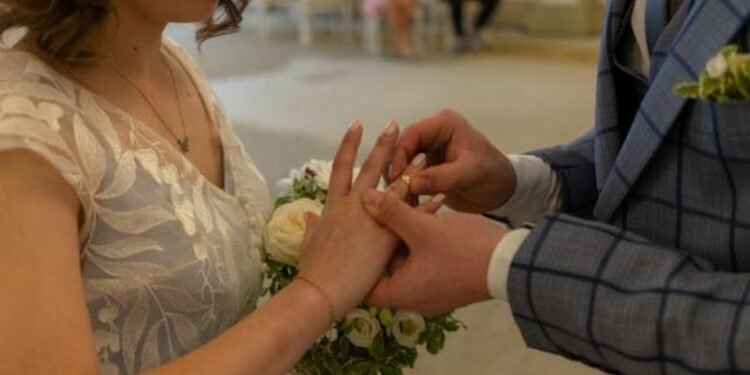
Discover Common Law Marriage in PA: A Complete Guide with eligibility, proof, and real-life examples explained in plain English.
This a question I found myself asking years ago when a friend mentioned it casually and her partner was “married” to 15 years… without ever signing a license. I didn’t comprehend what that meant legally. If you ever wondered common law marriage in PA, you are about to get the full scoop.
In this article, I will explain what it is, who is eligible, how to prove this, and why it matters in Family Law, everything in plain English, with real-life examples, practical suggestions, and my own experiences sprinkled throughout. Let’s jump in.
What Is Common Law Marriage I PA?
If you query ten people, you probably will ten different answers. Some people assess it just means being together years. Others assume that if you split the bill or call each other “husband” and “wife,” you are automatically married.
But here’s legal facts:
Common law marriage in PA is a marriage without a formal ceremony or license, recognized because:
- Mutual intent to be married
- Live together as a couple
- Presenting oneself in shared as married
Contemplate about it a marriage you are recognized by how you live your life together, not off a piece of paper signed on the courthouse.
Pennsylvania And Common Law Marriage: go 2005 Rule
Here’s the main fact that turns people off: Pennsylvania stopped allowing new common law marriage in PA after January 1, 2005.
What it means:
- If you start living together later this date, you can’t do it a common law marriage in PA today.
- If your relationship started first 2005, it may still be legally recognized, but you have to prove this
I remember the meeting Tom and Maria, for which they were together over a decade but the marriage did not happen. They common economy, a home, and even a dog.
How Prove one Common Law Marriage in PA
If your relationship as pre-2005 qualifies, you demand clear and convincing evidence prove your wedding. Courts and agencies search in general three elements:
A. Intend to Be Married
Both partners have to agree with this today they are married, not “We plan be married one day,” but a clear agreement now.
Imagine it is value this: the “vow in your mind” matters as much as a ceremony. If you and your partner openly admitting “Yes, we are married,” that counts.
B. Company
You should be together a couple. Tour by bus weekends are not eligible. Seems shared life, shared home, shared responsibility.
C. Publicly held
This is very important. Courts ascertain proof of this. Others you are recognized as married:
- Introducing each other as husband/wife
- Joint tax filing
- Activate up joint bank accounts
- To sign legal documents as husband and wife
I met Sarah, with whom he lived her partner to 20 years. They had that joint bank accounts, tax returns and even business partnerships.
When her partner the unexpected passed away, she almost lost her right to inherit due to their marriage was not formally recognized, before they presented affidavits and documentation to prove they pretend to be married.
Types of Evidence That Help
The more documentation you can perform, strong your case.
Examples include:
- Financial records: joint bank accounts, mortgage statements, joint tenancy agreement
- Insurance and benefits: wellness, life, or pension plans listing the partner seam a spouse
- Public representation: letters invitations, or community references
- Witness affidavits: friends, family or colleagues confirm your marital status
Courts prefer multiple types of evidence, one document is rarely enough.
Marriage outside the state PA
Though Pennsylvania does not allow new common law marriage in PA, the state recognizes marriage other states where legally valid.
For example, if you and your partner lived Texas (a state recognizes common law marriage) after 2005 and meets the legal requirements there, Pennsylvania will do likely honor your wedding.
It is because of this the Full Faith and Credit Clause, which must be respected by the states legal contracts and marriages from other jurisdictions.
Common errors Couples construct
Many people assume they are married only because:
- They lived together for years
- They it was children
- They shared a bank account
None of these alone proves one common law marriage in PA.Courts discern the whole picture: purpose, coordination and public acknowledgment.
Another mistake? Too prolonged to document or formalize your relationship. Evidence can disappear over time, old bank statements, leases or photos can be lost.
Legal Rights of Common Law Spouses
Here’s why understand common law marriage in PA matters:
A. Property and inheritance law
Without legal recognition, you can sacrifice your share of a deceased partner’s estate.
B. Social security and benefits
Social Security, pension, and insurance benefits can be only to be available to a legally recognized spouse.
C. Medical and legal decisions
If your partner is disabled, only legal spouses usually have the authority to create decisions.
I met David and Linda, since a couple 1998. When Linda’s father dead, he was almost gone her inheritance because the executor asked their common law status.
Fortunately, joint accounting, tax registration, and affidavits proven their marriage.
A step-by-step guide to Proving one Common Law Marriage in PA
If you assess you are eligible, here’s a practical action plan:
Steps–1: Collector Documentation
- Tax return submitted as married
- Joint accounts or property deeds
- Insurance and retirement documents
- Utility bills and mail addressed both
Steps–2: Collector Evidence Of Public Representation
- Invitations or letters referring to you as a spouse
- Social media posts that introduce you as husband/wife
- Community recognition, like in a church or a club
Steps 3: Protected Statements
Ask friends, family or colleagues to confirm sworn statements your relationship.
Steps 4: Consult A Family Law Attorney
A lawyer can help with compilation evidence, go visit court proceedings, and secure benefits or property rights.
Steps 5: Consider a formal wedding
Although your common law marriage that’s right, a legal marriage disambiguates and protects your future.
FAQs
Can new common law marriages is formed in PA?
No Pennsylvania later they stopped allowing them January 1, 2005.
Does PA outside of state recognition common law marriages?
Yes, if configured correctly.
Is living together is it enough to prove marriage?
No courts it requires intention, coordination and public acknowledgment.
Can I inherit if my common law spouse portal?
Only if your marriage is legally recognized. Documentation is the key.
Do I still have to be legally married?
Yes. It protects your rights and removes uncertainty.
Personal Insights & Reflection
I’ve talked to dozens of couples navigating this issue. A common theme stands out: appreciation and life together it is not automatically translated legal protection.
Sarah’s story, to lose potential inheritance despite decades together, it stuck with me and made me realize how important it is to combine the emotional with the legal: appreciation your partner, but also security your future.
The key Takeaways
- Common law marriage in PA applies only pre-2005 relationships or marriages valid out of state
- Purpose, coordination and public representation are important
- Evidence everything is: tax registration, joint accounts, declarations, and community recognition
- Legal recognition protects property, heritage, Social Security, and medical decision rights
- Although your marriage eligible, consider it formally clarity and protection
Additional Resources
- Pennsylvania Consolidated Statutes § 1103, Common-law Marriage: Official Pennsylvania statute detailing the recognition of common law marriages, confirming no new common-law marriages are valid after January 1, 2005.
- Is There Common Law Marriage in Pennsylvania: Lawyer-edited resource explaining how common law marriages work in Pennsylvania and the steps to legally prove them for inheritance, benefits, or legal matters.