
Roof Truss Repair: Problems, Causes, Costs & Next Steps Fix guide to structural roof issues, causes, costs and repair steps today.
I still remember. The first time I really understood how serious roof truss repair can be.
It wasn’t inside a classroom, and it certainly wasn’t included in some neat engineering diagram. It was on a quiet morning after a heavy night of rain. I stood in a half-finished house with a contractor who just looked drained. He pointed at the wooden beams above us and said, “This isn’t just a roof issue. This is a structure issue.”
That line stuck with me.
For most people, when they hear about a roof problem (and in Civil Law contexts involving property issues), they think of tiles, leaks, maybe some patchwork. But roof truss repair is something completely different. It literally runs deep, the skeleton of your house. And if you’re here reading this, chances are you’re either watching something worrying in your own roof… or you suspect that something is not right.
Let’s break it down properly.
What Is Roof Truss Repair Really About?
Before we talk about roof truss repair, what we need to understand is what a roof truss actually is.
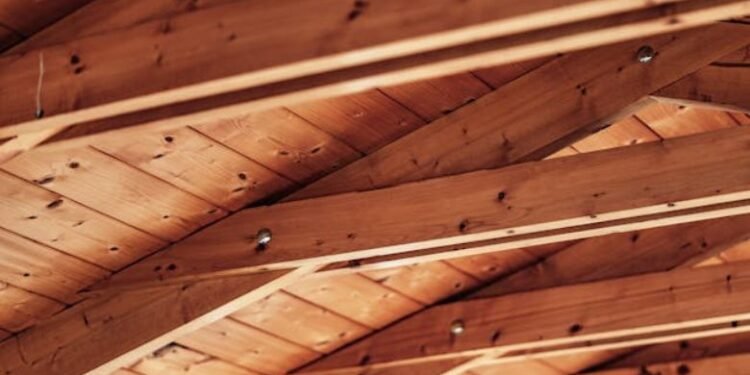
A roof truss is basically the hidden skeleton of your roof. It’s a carefully constructed triangular framework made of wood or steel that spreads the weight of your roof equally across the walls of your house. Think of it like the bones in your body. You don’t see them, but they do all the heavy lifting.
So when people search for roof truss repair, they’re usually not dealing with surface-level damage. They’re dealing with something structural, something that holds everything together.
And that’s why this topic deserves attention, not guesswork.
Why People Suddenly Search for Roof Truss Repair
Here’s something interesting I’ve noticed over time: no one casually searches for “roof truss repair.” It usually starts with a moment.
- A crack in the ceiling
- A strange dip in the roofline
- A loud creaking sound in the air
- Or worse, water dripping in the attic where it shouldn’t be
That’s the moment panic sets in. Suddenly, people start searching for roof truss repair, hoping for reassurance. Most users are in what I’d call the “uh-oh stage.” Not a full emergency, but definitely not calm either.
Warning Signs You Should Never Ignore
Let’s be practical. If you are considering roof truss repair, inspect for these signs:
- Roof appears uneven or sagging
- Cracks forming in interior ceilings or walls
- Water stains near attic beams
- Visible splitting or mold in wooden trusses
- Metal connector plates loosening or rusting
- Strange popping or internal sounds from the roof
One time, I heard a homeowner describe it like this:
“It felt like my house was breathing out slowly and not breathing back completely.”
That’s exactly the kind of subtle structural shift that leads people to discover they need roof truss repair.
Why Roof Trusses Actually Fail
This is where things get interesting. Most people assume roof trusses fail due to age. That’s rarely the real story.
In reality, roof truss repair is usually needed because of stress, not time.
Common Causes:
- Water damage
Leaks gradually weaken the joints. It’ s not dramatic, it’ s Gradual and subdued. - Overloaded attic space
People store boxes, furniture, even water tanks. Trusses aren’t designed for that kind of extra weight. - Storm and wind stress
Strong winds can shift load distribution in ways the structure wasn’t designed to handle. - Poor construction
Sometimes the issue exists from day one, weak connections, improper spacing, or shortcuts. - Foundation movement
Even slight shifting in the foundation can affect the entire roof system.
So when dealing with roof truss repair, you’re often handling a chain reaction of structural imbalance.
How Roof Truss Repair Actually Works
Now let’s get into what most people really want to know: what actually happens during roof truss repair?
It’s rarely a simple “replace a broken piece and move on” situation.
Instead, professionals use reinforcement strategies such as:
- Sistering
Adding a new timber alongside the damaged truss to share the load - Scab reinforcement
Using plywood or steel plates to strengthen weak joints - Epoxy injection
For small cracks where the structure is still mostly intact - Load redistribution
Redirecting weight away from damaged areas using additional supports
The key thing most people don’t realize: roof truss repair is about restoring balance, not just fixing damage.
It’s like fixing a chair with uneven legs. You don’t just repair one leg, you stabilize the whole structure.
Repair vs Replacement: The Big Decision
One of the most common questions is whether you can repair the truss or need to replace the whole system.
Repair is possible when:
- Damage is localized
- Only one or two trusses are affected
- Overall structure is still stable
Partial replacement may be needed when:
- Multiple trusses are damaged
- There is rot or moisture spread
- Load distribution is compromised
Full replacement is required when:
- Structural failure is severe
- Roof is visibly leaning
- Large sections are unstable
- Engineers confirm major risk
This is where professional inspection becomes critical. Guessing is unsafe when it comes to roof truss repair.
The Cost Reality of Roof Truss Repair
Let’s talk about something everyone wants to know: cost.
The truth is, roof truss repair doesn’t have a fixed price.
Why?
Because you’re not buying a product, you’re restoring a structural system.
Costs depend on:
- Severity of damage
- Accessibility of the attic
- Materials used (wood, steel, epoxy)
- Engineering involvement
- Labor complexity
Minor repairs can be manageable. But major structural reinforcement can become expensive quickly because you’re essentially repairing part of the building’s skeleton.
A contractor once told me:
“You’re not paying for wood. You’re paying for the confidence that your roof won’t come down in a storm.”
That pretty much explains it.
The Biggest Mistake: DIY Roof Truss Repair
This part matters.
Many homeowners think they can fix roof trusses like basic carpentry, add a board, tighten a screw, done.
But here’s the reality: roof trusses are load-bearing systems.
If you modify them incorrectly, you don’t just fail to fix the issue, you can make it worse by shifting stress elsewhere.
It’s like trying to fix a cracked spine with tape. It might look stable for a moment, but the real problem is still there.
That’s why professional assessment is not optional in most roof truss repair cases.
What Should You Do If You Suspect Damage?
If you’re concerned, here’s a simple path forward:
- Don’t panic, but don’t ignore it
- Visually inspect (if safe) for sagging or visible damage
- Document everything with photos
- Contact a structural expert, not just a handyman
- Avoid adding weight to the attic
Taking these steps early can significantly reduce risk and complications.
Why Roof Truss Repair Feels So Stressful
Here’s something people don’t talk about enough:
It’s not just about money.
Roof truss repair feels stressful because it affects something deeper, your sense of safety. Your roof is your protection. When it feels compromised, even slightly, it creates constant background anxiety.
I once heard a homeowner say:
“I couldn’t relax in my own living room because I kept imagining the roof giving way.”
That feeling is real. And understanding the situation clearly helps replace fear with control.
Key taking
- But the end of the day, Roof truss repair is not the only aspect a construction issue.
- It’s a stability issue.
- It’s about knowing the structure above your head is doing its job, quietly, reliably, without drawing attention.
- Most people Just think about it their roof when something goes wrong.
- But once you understand how trusses work, you realize something important:
- The best roof is one You never have to evaluate.
- So if you’re noticing signs of damage, don’t delay.
- Don’t guess.
- Don’t rely on temporary fixes.
- Get it inspected properly.
- Understand the cause.
- Treat roof truss repair for what it really is, a structural decision, not a surface fix.
- Because your roof isn’t just wood and nails.
- It’s peace of mind.
Additional Resources
- https://awc.org/standards/national-design-specification/: Provides official engineering standards for wood trusses, structural loads, and repair design principles used by professionals.
- https://www.fema.gov/emergency-managers/risk-management/building-science: Offers disaster-focused guidance on roof failures, structural damage assessment, and post-storm repair decisions.