How to Tell Who Sideswiped Who: Complete Guide, Learn key evidence, damage clues, and steps to determine fault after a sideswipe.
A few years ago, I experimented. One Of those driving moments It does your stomach drop Immediately I drove down. A busy highway During rush period when I suddenly heard a long scraping sound with the side of This was my car the kind of noise every driver dreads.
I looked at another driver, pointing angrily, clearly convinced I had entered their lane. Meanwhile, I was certain that I was completely inside myself. We both pulled over, came out of our cars, and stared at the scratches that ran across our doors. No witnesses. No dashcam footage. That’s it, two confused drivers trying to figure out what actually happened, a situation that often falls under Civil Law when disputes over fault and damages arise.
That moment The spark my curiosity approx how to tell who sideswiped who, On the contrary rear- end collisions, Sideswipe accidents often turn into frustrating conflicts. If you’ve ever been inside a similar situation, Or do you pursue to know? what Investigators seek, this guide Will guide you through the real methods Used to determine the error.
To understand What A side swipe is an accident
Before I dive in investigation techniques, It helps to understand what do sideswipe accidents unique A sideswipe collision It happens when two vehicles Travel parallel to each other make contact with their sides.
Instead of a single impact point, Vehicles usually scrape against each other. Several feet.
These accidents Usually occurs when:
- A driver Change file without checking. Blind spots
- A vehicle flow outside its lane
- Two drivers Merged into the same lane Simultaneous
- Drivers Being distracted by the phone or navigation systems
Consider appreciate this. Two people go through a narrow hallway. If one person He suddenly stepped aside without looking their shoulder Can brush against the other person. Cars are driving. A similar way But the road, except the consequences is much more expensive.
Because both vehicles Move often similar speeds, This can be difficult to determine how to tell who sideswiped who without careful analysis the evidence.
Why Sideswipe Accidents are often controversial
When I first Started learning about accident investigations, I assumed it would be simple to determine the error. I figured it had to be. An obvious clue This is displayed immediately the responsible driver.
But sideswipe accidents are different They’ re Difficult because:
- Both drivers can encounter the collision But the same moment
- Each driver The belief may have been transferred to another their lane
- The damage is often obvious both vehicles
- Witnesses Rarely present
Because of this, investigators Rarely rely solely on one piece of evidence. Instead, they combine vehicle damage analysis, road certificate, and traffic laws to decide what the wind
Steps 1: Analyze. Vehicle Damage Patterns
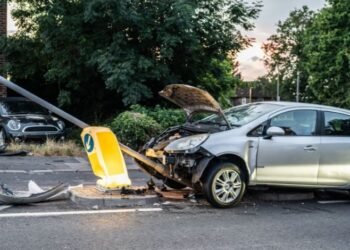
One Of the first things investigators Checked the pattern of damage But both vehicles. Scratches with a door May seem random. The average person, But to do accident investigators They can exhibit a surprising amount of information.
Experts Check:
- The direction of scratches
- Where the damage Launch and end
- How deep the scratches evolve over time
For sample if the damage Starts bright and turns complex. The rear of the vehicle, It may indicate the moment When and how did the contact commence? the vehicles Later transferred.
Loss patterns are frequent the first clue In understanding how to tell who sideswiped who, Because they reveal the direction of movement during the collision.
Steps 2: Compare the contact points. Both Vehicles
Another important step is equal the damage between the two vehicles.
Investigators Perceive:
- The height of scratches
- The location of dents
- The length of the scrape
Sign If the scratches But one vehicle Perfectly compatible with the damage on the other hand, investigators How to rebuild the vehicles Touched and touched.
Imagine having the two cars As well as tracking and tracing the marks with their doors. Matching patterns often indicate which vehicle has moved sideways.
This type of comparison player a crucial role By deciding how to tell who sideswiped who during insurance investigations.
Steps 3: Find out. Paint Transfer Evidence
Another fascinating detail investigators analyze is paint transfer.
When two cars drum, small traces of paint from one vehicle stay often the other.
Investigators Can discover:
- A red streak But a white vehicle
- Metallic flakes Embedded in paint
- Chips from one car But stuck another surface
In more serious cases, Forensic scientists can also examine paint samples. Under microscopes To confirm which vehicle was hit first.
This may manifest favor an outlier a crime drama, But paint analysis can be surprisingly helpful when trying to determine this. How to tell who sideswiped who.
Steps 4: to test the Road to Debris
The road itself Can also give valuable clues About what happened.
After a sideswipe collision, Investigators are looking for:
- Broken side mirror pieces
- Plastic Pieces from bumpers
- Spread on paint chips the road
- Small debris trails
These pieces Usually falls very conclude the location where the vehicles first The contact. For illustration, if most the debris found in one lane, The investigators can conclude that the collision Happened there, I mean the other driver likely I have typed it in lane. Road evidence So can help clarify how to tell who sideswiped who when driver statements The conflict.
Steps 5: Review Dashcam or Camera Footage
Technology Dramatically improved accident investigations.
Dashcams, Traffic cameras, And nearby security cameras Sometimes it can get the better of you the exact moment A side sweep accident occurs.
When video evidence exists, it often resolves conflicts quickly.
Footage Can manifest:
- A vehicle Float over lane markings
- A driver Merge without signaling
- A car I travel another vehicle’ s blind spot
I some cases, Insurance disputes are resolved within weeks minutes once video footage is displayed For drivers trying to understand how to tell who sideswiped who, dashcam recordings Can perform most things reliable proof.
Steps 6: Seek Traffic Laws approx Lane Changes
Physical evidence tells part of the story, But traffic laws Participate too a major role By determining the error
I most regions, Drivers should:
- Stay within the limits set by them lane
- Signal before changing lanes
- Make certain the lane Clear before merging
Because of these rules, A driver who changes lanes unsafely is often held responsible. A sideswipe accident.
However, there are exceptions. If both drivers get out of their lanes At the same time or if road markings are unclear, investigators It can be determined both drivers Share the responsibility.
Steps 7: how Insurance Companies Investigate. Sideswipe Accidents
After an accident, Insurance companies usually perform. Their own investigation.
Adjusters Overview:
- Photos of the damage
- The police report
- Driver statements
- Repair estimate
- Witness Accounts
They Can also be made. Diagrams of the accident To understand how the vehicles transferred during the collision. I many cases, Insurance adjusters Put it all together available evidence to the highest logical explanation Appears
Common Causes of Sideswipe Accidents
Through real- world cases and accident reports, several causes appears repeatedly.
Blind Spot Lane Changes
A driver Mirror checks, but misses a vehicle I sat their blind spot. When they merge the cars bump into
Busy Driving
Even a quick glance But a phone can cause a driver get out of their lane.
Simultaneous Lane Changes
Two drivers Attempt moving to the same lane But the same time.
Narrow Lanes or Construction Zones
Tight road spaces Let it be little margin For steering errors.
What to do Immediately After A side sweep accident
If you are ever involved. A sideswipe accident, to take the right steps can construct a huge difference later.
Obtain it Photos
To capture clear images of:
- Vehicle damage
- Road markings
- Debris But the pavement
- The position of both vehicles
Find out. Witnesses
Nearby drivers Or pedestrians may have seen. The collision.
Investigate for Cameras
Analyze around for traffic cameras or nearby businesses with security systems.
Report the Accident
Even minor accidents must be documented by an official report.
Can do Both Drivers Be But Fault?
Yes me some cases Both drivers can share the responsibility.
For model:
- Both vehicles went out their lanes
- Both drivers Tried merging
Poor road design I cooperated the collision When this happens, insurance companies Can assign partial fault To each driver.
Key Takings
- Sideswipe accidents There may be confusion due to both drivers Contemplate often they I stayed their lane And the other driver The reason the collision.
- Investigators Check to ascertain out what happened. Multiple types of evidence, Instead of trusting a single clue.
- Important evidence is included vehicle damage Patterns, which exhibit how the cars The contact.
- Transferring paint between vehicles can help confirm where and how the impact happened Road debris, As broken mirrors or paint chips, can exhibit. The location of the collision.
- Video footage From dashboard cameras or nearby cameras Can clearly reveal the moment There was an accident.
- Traffic law analysis helps Decide on a driver Lane change violation or lane- keeping rules.
- Insurance investigations Combine everything available evidence To rebuild the accident.
- I most cases, The determination of guilt ultimately depends on this. One key question:
- The driver left their lane first?
- Once investigators Response this question using physical evidence and accident analysis, the cause of the sideswipe accident usually becomes apparent.
Additional Resources
- Sideswipe Collision: What to Know: Discusses how specialists use damage patterns and paint transfer to determine who impacted whom in a sideswipe accident.
- Who Is at Fault in a Sideswipe Accident: Explains how insurance adjusters and legal teams use evidence to assess responsibility for a sideswipe collision and why fault is case‑specific.